
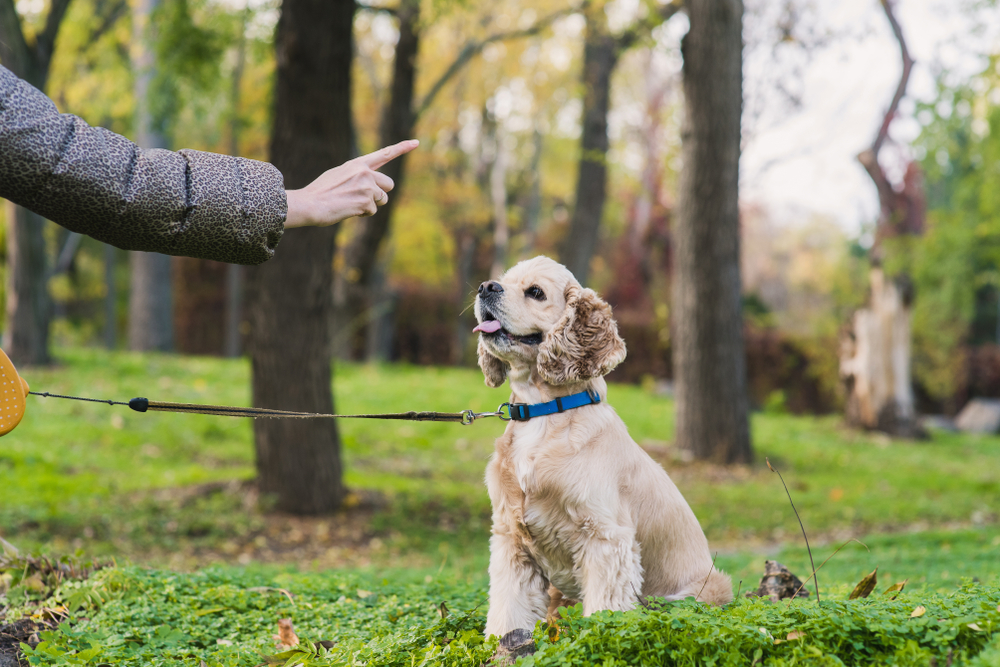
Bringing home a new puppy is exciting, heart-melting, and—let’s be honest—a little chaotic. One minute they’re cuddling in your lap, the next they’re chewing on your shoelaces. That’s where basic obedience training comes in. Training isn’t just about good manners; it’s about building communication, trust, and confidence between you and your puppy.
Start Early, Keep It Positive
Puppies are learning from the moment they arrive home. Begin training as early as 8 weeks old, using positive reinforcement such as treats, praise, and play. Rewarding good behavior helps your puppy understand what you want and makes learning fun.
Focus on the Core Commands
Start with simple, essential commands:
Sit – The foundation of calm behavior
Stay – Teaches patience and self-control
Come – Critical for safety
Down – Encourages relaxation
Leave it – Prevents unwanted chewing or grabbing
Short, consistent sessions (5–10 minutes) work best. Puppies have short attention spans, so end each session on a positive note.
Consistency Is Key
Use the same words, tone, and hand signals every time. If “down” sometimes means “lie down” and sometimes means “get off the couch,” your puppy will get confused. Make sure everyone in the household follows the same rules.
Socialization Matters
Obedience training goes hand in hand with socialization. Gently introduce your puppy to new people, dogs, sounds, and environments. A well-socialized puppy is more confident, calm, and responsive to training.
Be Patient and Kind
Accidents and mistakes are part of the process. Never punish your puppy for not understanding—training is about teaching, not correcting. Patience and encouragement will get you much further than frustration.
The Payoff
With time and consistency, obedience training creates a happier, safer, and more relaxed puppy—and a more confident owner. The lessons you teach now will shape your dog’s behavior for years to come.